The Sanitation Challenge in Ghana & Sub-Saharan Africa
According to the WHO/UNICEF JMP progress report for 2024, 46% (552 million) of people in Sub-Saharan Africa either defecate in the open or use unimproved sanitation facilities. In Ghana, 6.2 million people (18%) still practice open defecation whereas only 32% have access to at least basic sanitation. Ghana therefore needs 330-400,000 toilets per annum over the next 5 years (2026-2030) to meet the SDG target 6.2a).
This deficit undermines health, dignity, education and productivity but presents a good opportunity for employment especially for the youth contributing to achieving SDG Target 8.6 (i.e. promote youth employment, education and training). Ghana has 1.9 million youth not in education, employment or training (NEET) (Ghana Statistical Service).
6.2M People
still practice open defecation in Ghana.
1.9M youth are not in education, employment or training
Only 32%
have access to at least basic sanitation.
330k - 400k
new toilets needed annually to achieve SDG 6.2a by 2030
US$ 2.69B monetary investment needed
SESNET-Africa: The Solution Platform
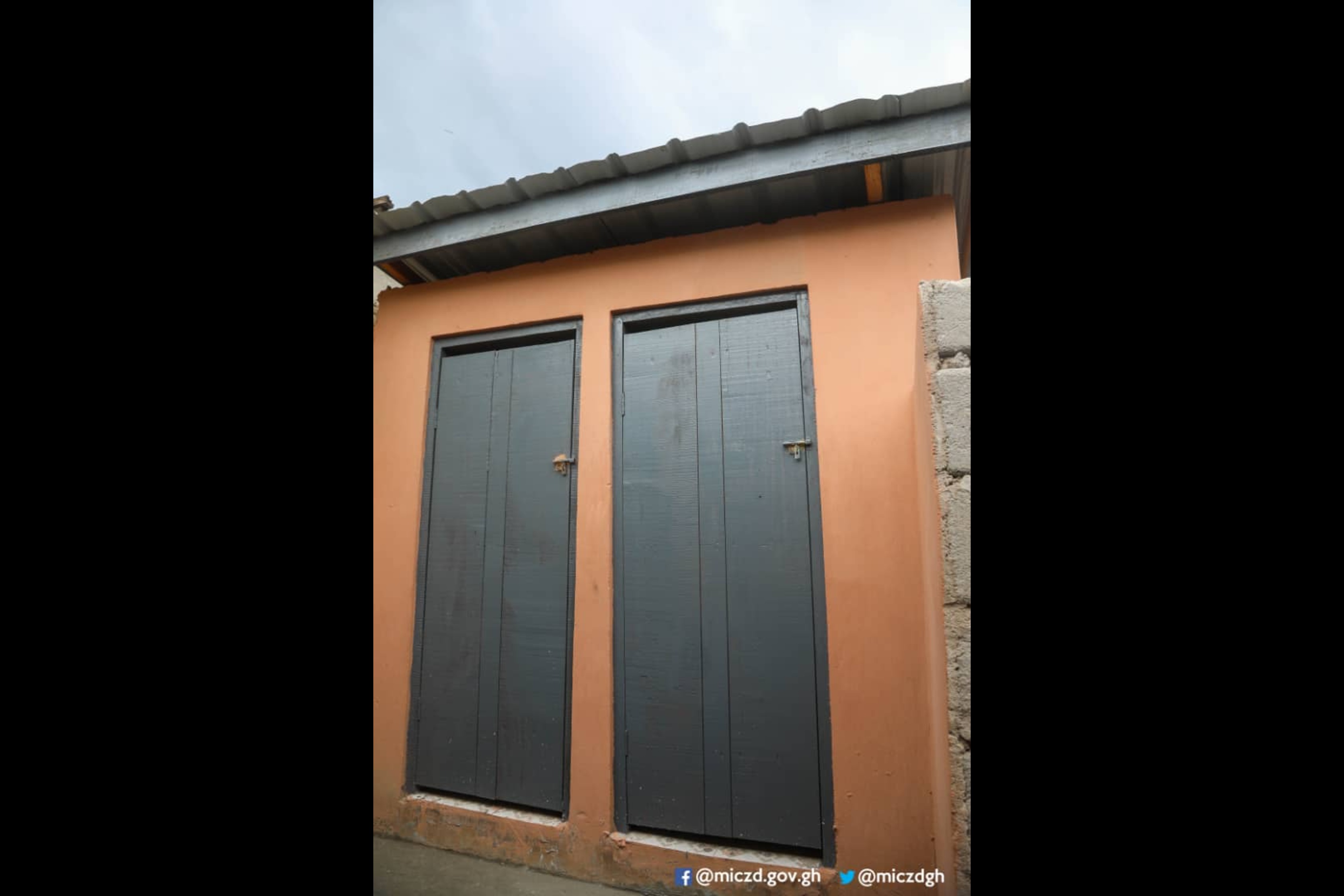
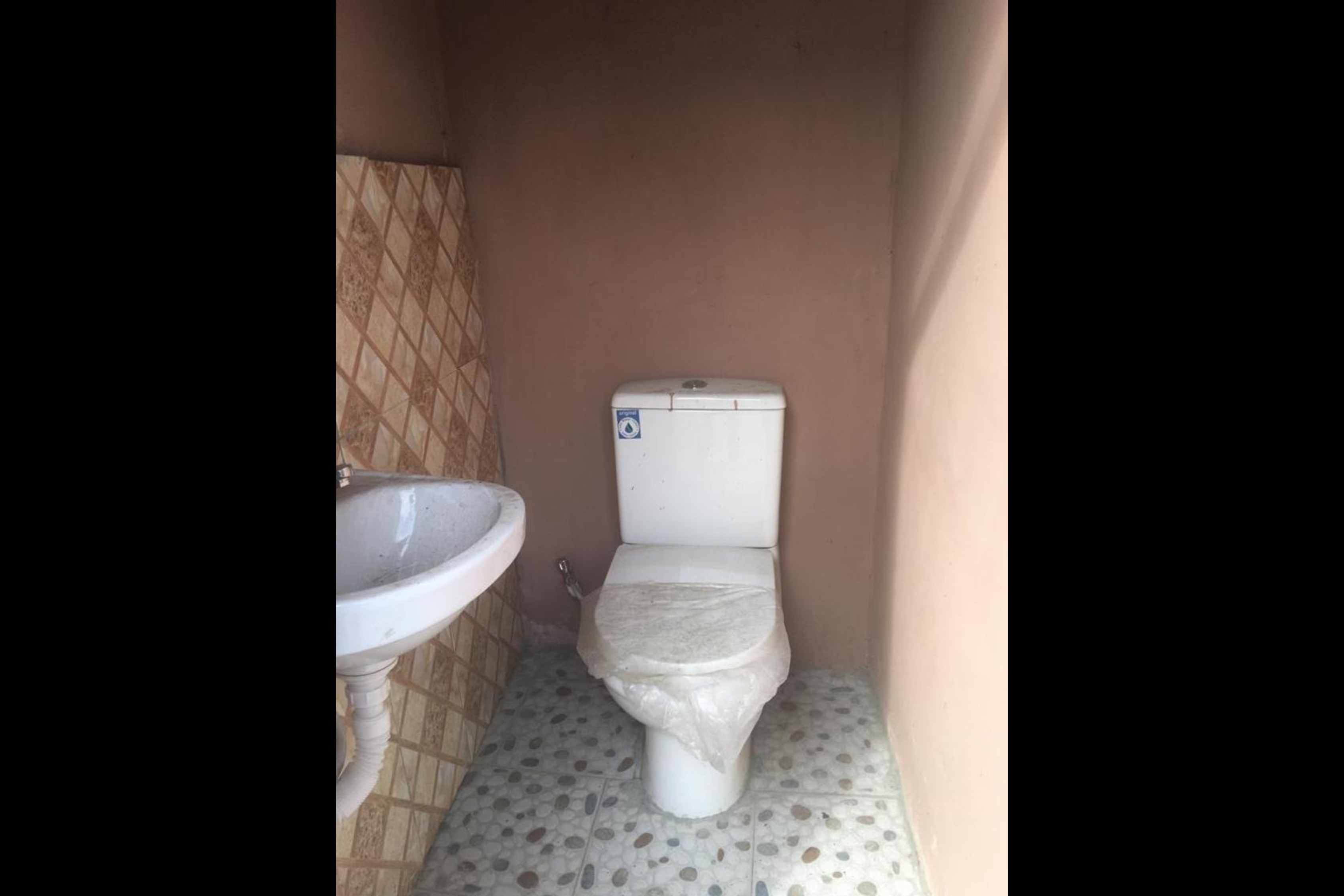
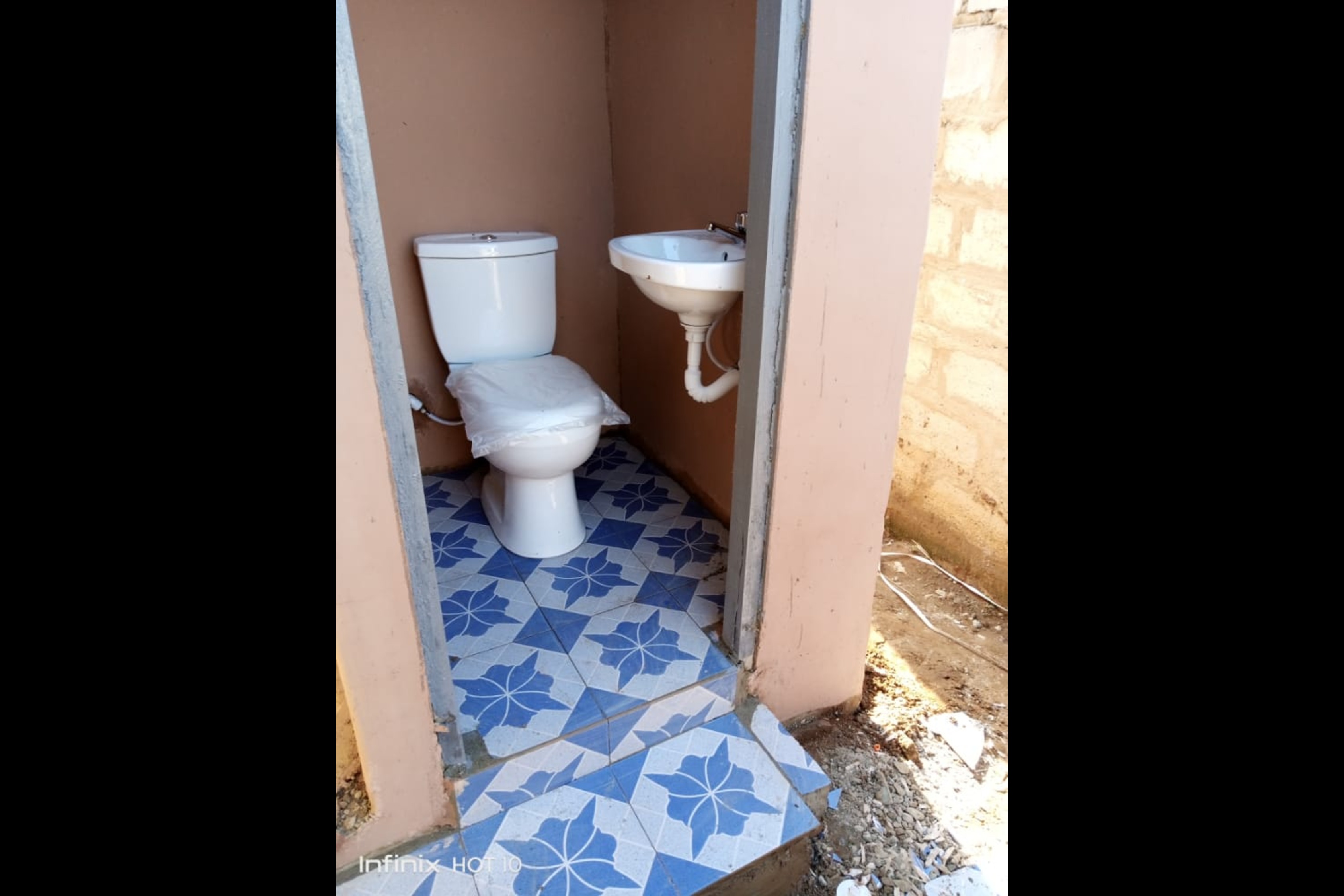
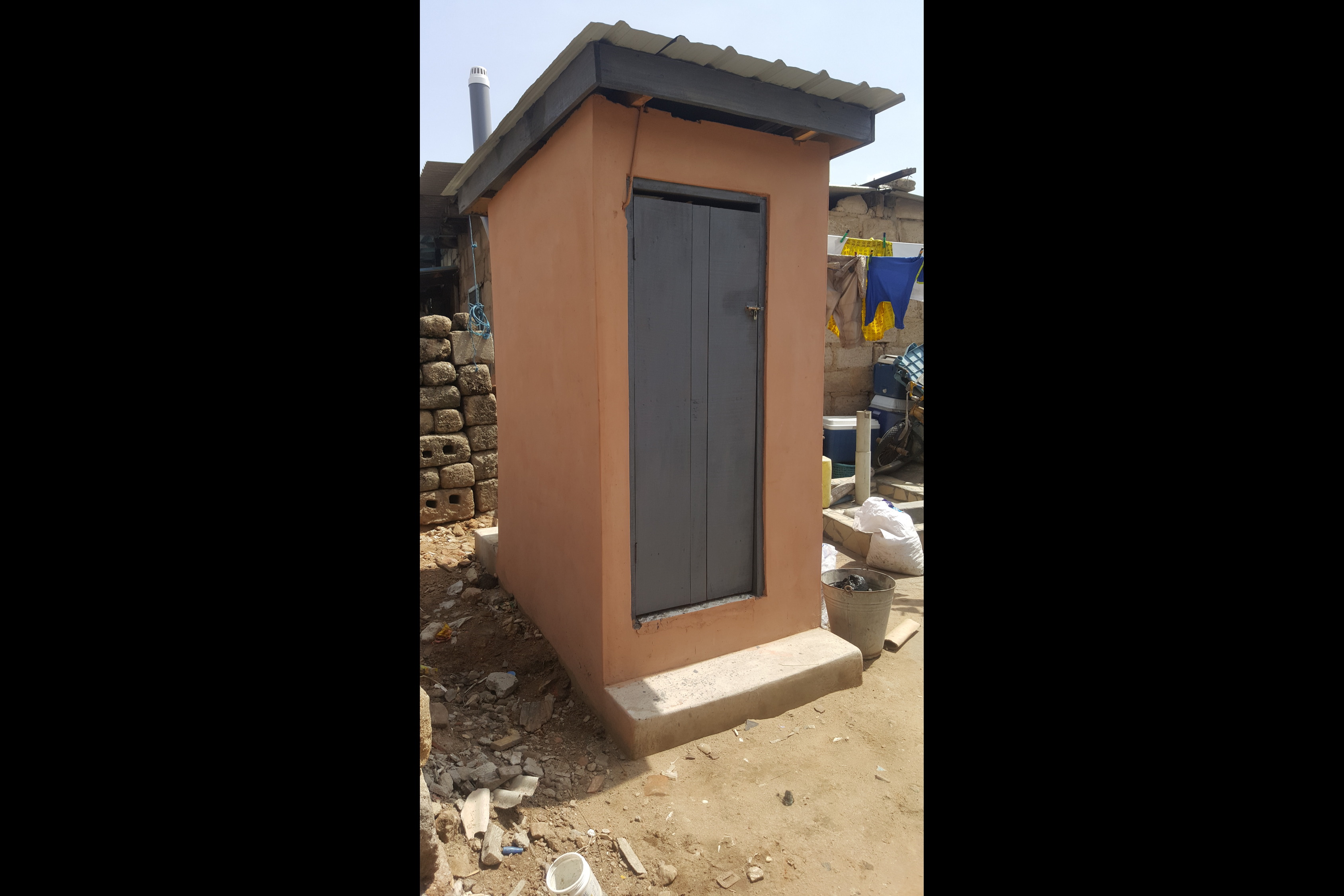
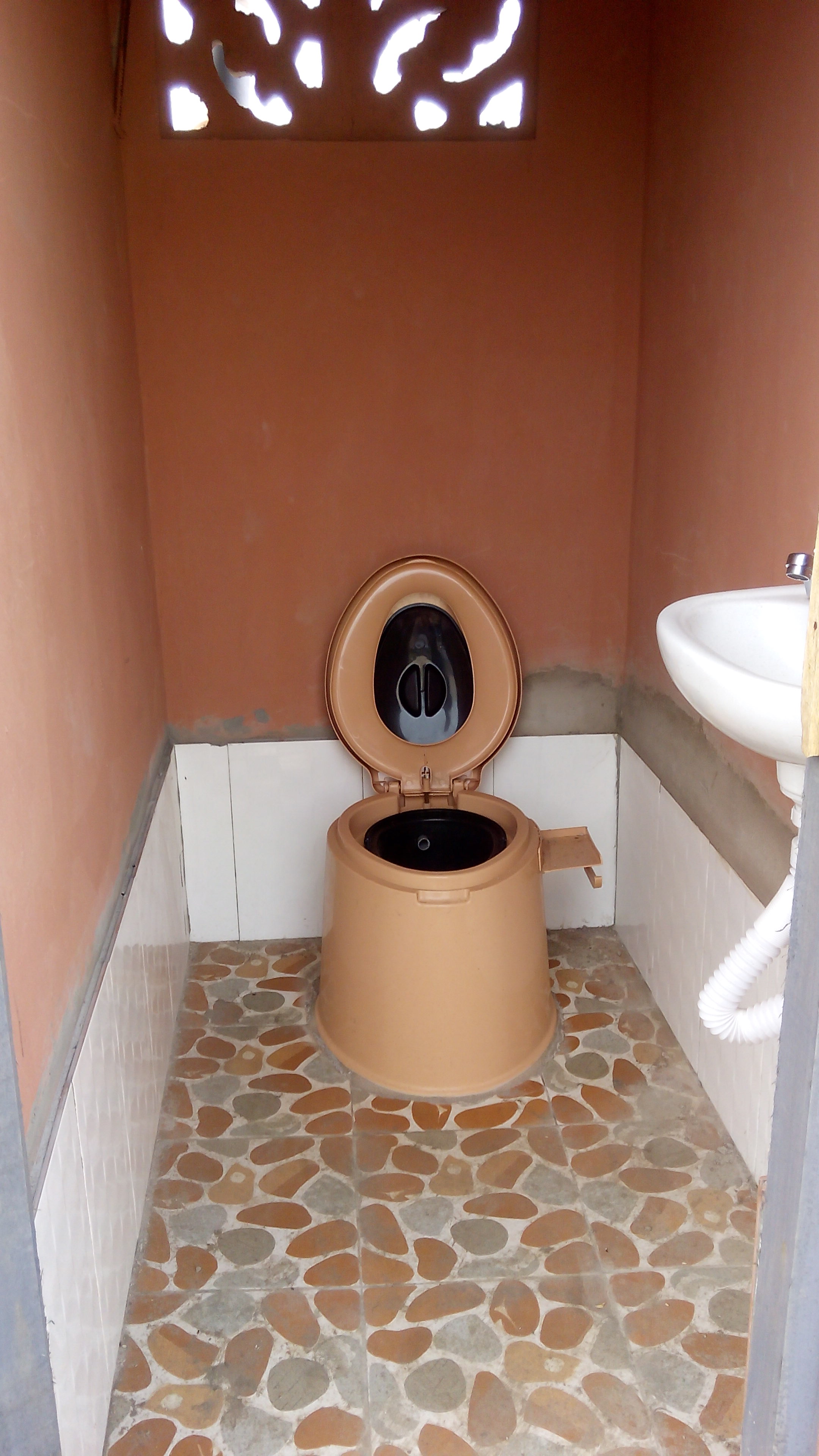
SESNET-Africa trains artisans in home-toilet construction / installation and sanitation marketing. It receives applications from trainee artisans or work-gangs, undertake screening of applications for enrolment into a hands-on practical training programme involving field construction/installation of home-toilets (e.g. digesters, digny-loo, etc.). The training is undertaken by certified professional engineers, master-technicians and craftsmen.
SESNET-Africa links trained and certified artisans to households providing easy access and quality assurance of home-toilets constructed. SESNET-Africa additionally offers a national registry of artisans who have been trained and certified in the construction of specific home-toilet technologies and employed by micro-small-medium enterprises (MSMEs). The MSMEs are then put on LooPlus Application which has schedule/bill of materials for all approved home-toilet technologies used across Ghana.
Every artisan receives a unique identity number which is in turn linked to a specific MSME. The MSMEs also have unique identity numbers linked to national business registration certificate reference number.